Portal Roulette: Who Actually Won and Lost After a Full Year of College Hoops Chaos
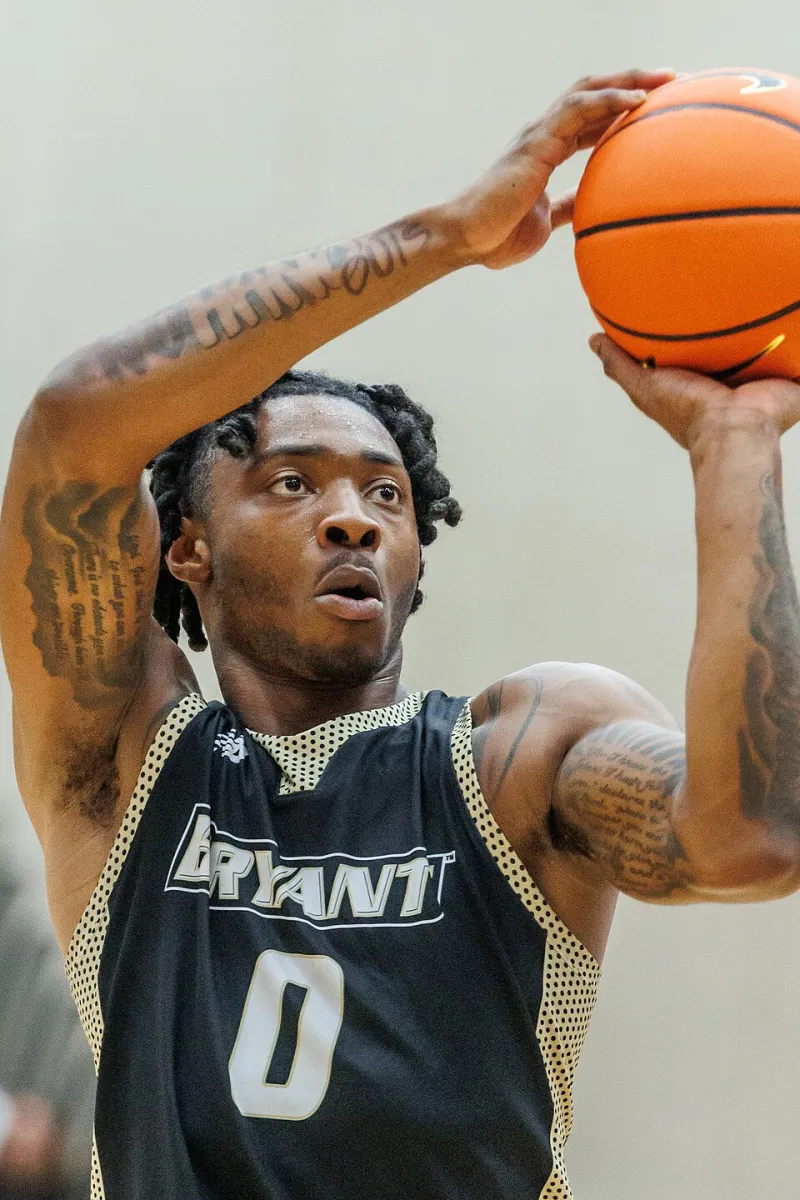
Photo: Kenneth C. Zirkel, CC BY 4.0, via Wikimedia Commons
If you spent any time following college basketball this past season, you already know the transfer portal has completely rewired how the sport works. Rosters that used to take three or four years to build now get assembled — and reassembled — every spring like some kind of high-stakes fantasy draft. Coaches are recruiting 22-year-olds instead of 17-year-olds. Programs that used to develop players now sometimes just... replace them.
But here's the thing nobody wants to say out loud: a full season of results has made it pretty clear that the portal isn't magic. It rewards smart programs. It punishes desperate ones. And for competitive balance in March? The picture is genuinely complicated.
Let's break down who came out ahead, who got burned, and what it all actually means.
The Programs That Figured It Out
Florida Atlantic's run to the 2023 Final Four didn't happen by accident, and it wasn't built entirely through the portal — but portal additions were a critical piece. The Owls brought in experienced players who fit a specific system, prioritized fit over pure talent rankings, and let head coach Dusty May build chemistry around a clear identity. That's the portal working exactly as intended.
Similarly, San Diego State's consistent March presence in recent years has been partly fueled by smart portal acquisitions that complement their defensive-first culture rather than disrupt it. The Aztecs don't chase stars. They chase guys who want to play in their system. Big difference.
The common thread among portal success stories isn't grabbing the highest-rated available player. It's identifying what your roster actually needs, finding someone who checks that specific box, and making sure the culture can absorb a new personality without fracturing the locker room. Easy to say. Apparently hard to execute.
The NIL Wildcard Nobody Can Fully Figure Out
You can't talk about the portal without talking about NIL, because the two are now completely intertwined. The portal is essentially a free-agent market, and NIL money is the salary structure that drives it.
Here's where it gets messy: programs with massive NIL collectives — your Kentuckys, your Dukes, your Kansases — have a built-in advantage in attracting portal talent. But having the money to sign someone doesn't mean you've signed the right someone. Several high-profile programs loaded up on portal additions this past season and ended up with talented-but-disconnected rosters that looked great on paper and fell apart under tournament pressure.
Kentucky, for example, has leaned heavily into the portal under John Calipari (and now Mark Pope) and the results have been... uneven. The talent is always there. The cohesion hasn't always followed. When you're essentially building a new team from scratch every year, you're also starting from zero on trust, chemistry, and shared experience — the stuff that actually wins games in February and March.
When the Portal Becomes a Crutch
This is the part coaches don't love discussing publicly, but it's real: some programs have used the portal as a replacement for player development rather than a supplement to it.
If your best players leave after Year 1 or Year 2 because they're not getting better under your coaching staff, the portal isn't your solution — it's a band-aid on a deeper wound. You can keep cycling in new transfers, but if the development infrastructure isn't there, you'll keep having the same problems with different names on the jersey.
Several mid-major programs fell into this trap over the past 18 months. They saw larger programs using the portal aggressively and decided to compete the same way, without the NIL resources or recruiting infrastructure to sustain it. The result was roster instability, inconsistent play, and — in a few cases — worse records than the year before despite theoretically "upgrading" the talent.
The Unexpected Success Stories Worth Knowing
Not every portal win belongs to a power conference program. Iona, Loyola Chicago, and a handful of other mid-majors have shown genuine creativity in how they use the portal to punch above their weight class.
The formula tends to look similar: identify graduate transfers or older players who want one more shot at meaningful minutes, offer a clear role and a genuine chance at a deep run, and build around a coach whose system is well-defined enough that players know exactly what they're walking into. These programs can't compete with the NIL bags from the big schools, but they can offer something else — clarity, opportunity, and a defined path to the tournament.
That's not nothing. For the right player at the right moment, it's actually pretty compelling.
What This Means for March Going Forward
Here's the competitive balance question everyone's dancing around: is the portal making March Madness more or less unpredictable?
The honest answer is both, depending on what you're measuring. On one hand, experienced rosters built through the portal tend to be more consistent in the regular season — older players don't have the same vulnerability to pressure moments that freshmen do. On the other hand, when you're playing a team that assembled itself eight months ago, there are still unknown variables about how they'll respond to adversity.
The 2024 tournament had its share of upsets, and several of them came at the expense of portal-heavy rosters that looked dominant on paper. Chemistry under pressure is still real. It still matters. And you can't fully replicate it by signing a bunch of talented individuals who've never played together before.
The Bottom Line
The transfer portal has permanently changed college basketball. That's not a debate anymore. But one full season of results has given us enough data to say something important: the portal rewards programs with a clear identity and punishes programs that are just throwing money at a problem.
The winners used the portal to fill specific holes. The losers used it to avoid harder questions about their coaching, their development, and their culture. The good news is that the sport is still plenty watchable. The parity is real in spots. And March is still going to deliver chaos no matter how many portals you navigate to get there.
Just don't expect a bag of transfers to fix what was already broken.