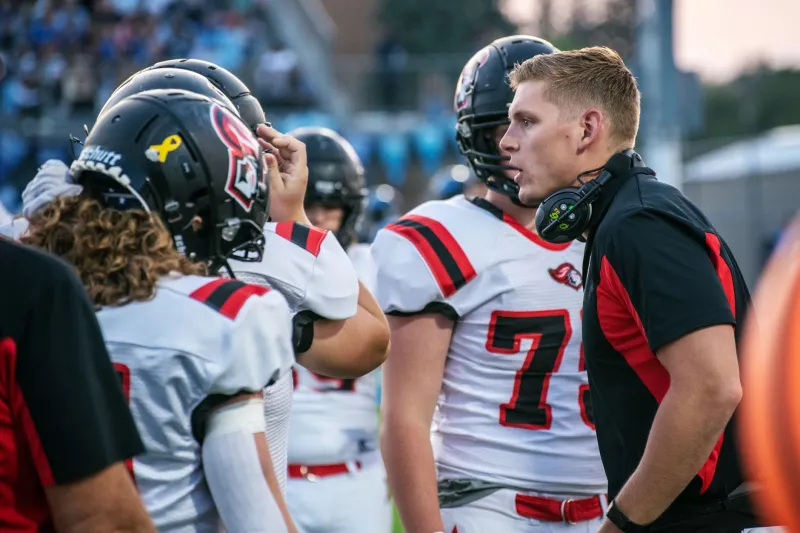
Questionable at Best: The NFL's Injury Disclosure Game Is Rigged and Everyone Knows It
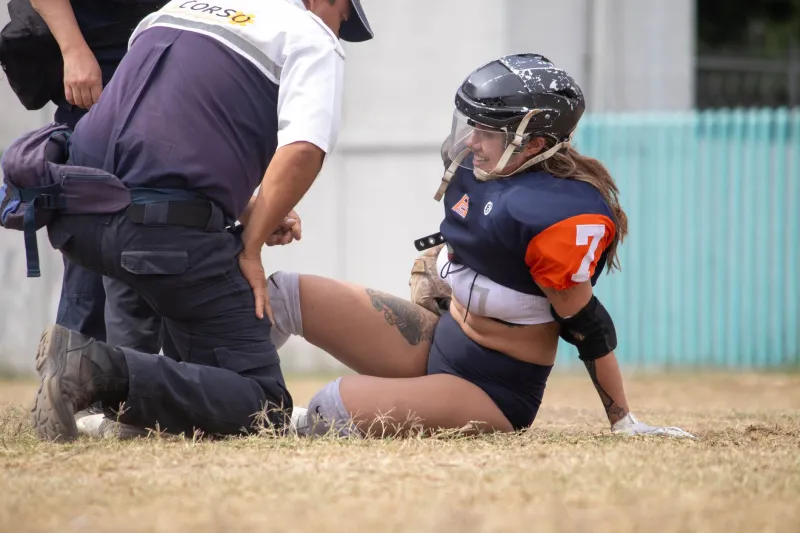
Here's a scenario that should sound familiar. A star receiver goes down awkwardly in the third quarter. The sideline reporter catches the head coach on the way to the tunnel. He squints, shrugs, and delivers the line with the practiced calm of a man who has rehearsed it a thousand times: "We'll know more tomorrow. He's day-to-day right now."
Three days later, the team announces he's on injured reserve. Surgery scheduled. Season over.
You weren't lied to, technically. But you weren't told the truth either. Welcome to the NFL's injury disclosure system — a masterclass in saying everything while revealing absolutely nothing.
The Language Is the Loophole
The NFL requires teams to submit weekly injury reports with designations like "questionable," "doubtful," and "out." The idea, in theory, is transparency. Fans deserve to know. Bettors need information. Fantasy owners — and there are tens of millions of them — have real money riding on whether a running back is going to suit up Sunday.
But the system has a massive structural flaw: there's no enforcement mechanism for accuracy. Teams can list a player as "questionable" right up until kickoff, then scratch him from the lineup without consequence. They can describe a torn ligament as "a lower leg issue" and nobody in the league office loses sleep over it.
The terminology itself was practically designed to obscure. "Day-to-day" isn't even an official injury report designation — it's just something coaches say in press conferences, and it's become the ultimate get-out-of-jail-free phrase. It signals nothing, commits to nothing, and buys the organization maximum time while fans and analysts are left guessing.
Real Cases, Real Damage
This isn't a theoretical problem. It plays out every single season across the league.
Think about how many times a quarterback has been described as "managing" a shoulder issue — that careful, clinical word — only for the team to quietly admit weeks later that he'd been playing through something that required an offseason procedure. Or a cornerback who's listed as a game-time decision for three straight weeks before finally landing on IR with what turns out to be a stress fracture that almost certainly existed from the jump.
The pattern is consistent enough that it can't be chalked up to coincidence or genuine medical uncertainty. Teams know more than they say. They just have every competitive incentive to say less.
Opponents use injury reports to game plan. If a cornerback is actually hobbled, the other team's offensive coordinator is going to target him relentlessly. So there's real strategic value in keeping that information murky. Coaches will openly tell you — when they're feeling candid — that they give away as little as possible within the rules. And the rules, as currently written, let them give away almost nothing.
Fantasy Football Made This Worse
Here's where it gets genuinely messy. The NFL is deeply financially entangled with the fantasy sports industry. The league has spent years cultivating that relationship because fantasy players watch more games, consume more content, and drive more engagement. It's a massive revenue stream.
But those same fantasy players are being systematically misled by the injury reporting system the league oversees. There's something almost darkly comic about the NFL promoting fantasy football with one hand while allowing teams to bury injury information with the other.
Millions of people make lineup decisions based on injury report language. When a team lists a wide receiver as "questionable" knowing full well he's not going to play, those fans are making decisions on false pretenses. Some of them have real money in DFS contests. Some of them are in leagues with friends and family where bragging rights matter deeply.
Nobody's filing lawsuits over it. But the ethical murkiness is real, and the league's willingness to look the other way is telling.
The Locker Room Doesn't Always Know Either
Here's the part that gets overlooked in most conversations about injury transparency: it's not just outsiders who get left in the dark. Sometimes teammates don't know the full picture either.
When a franchise quarterback is listed as "day-to-day" with a "hand injury" and the backup is told to stay ready but probably won't play, that backup is preparing under false assumptions. The offensive line might be getting mixed messages about protection schemes depending on who's under center. Coaches talk about roster cohesion and preparation like they're sacred, then undermine both with information management that leaves their own players guessing.
There's also the player's perspective to consider. Guys get pressured to play through injuries in a league where your roster spot is never fully guaranteed. Vague public language around a player's status can quietly signal to the player himself that the team expects him on the field — whether or not his body is actually ready. The "day-to-day" tag can function as a kind of soft organizational pressure, a way of keeping expectations in place without explicitly demanding anything.
What Accountability Would Actually Look Like
The fix isn't complicated, even if implementing it would require the league to actually care about enforcing it.
Fines for demonstrably inaccurate injury reporting would be a start. If a player is listed as questionable and then placed on IR the following week with an injury that medical professionals agree existed at the time of the report, there should be a meaningful penalty. Not a slap-on-the-wrist fine that a billion-dollar franchise laughs off — an actual consequence that changes organizational behavior.
More detailed injury categorizations would help too. The current system was built for a different era. Requiring teams to specify injury type — even in broad anatomical terms — would make it significantly harder to hide a torn ACL behind the phrase "knee soreness."
And honestly? Independent medical review. If the league is serious about player safety — which it loudly claims to be every time a concussion lawsuit lands in the news — having neutral medical personnel assess the accuracy of injury disclosures isn't a radical idea. It's just accountability.
Nobody's Holding Their Breath
Here's the honest reality: the NFL has very little incentive to change this. Teams want competitive flexibility. Owners don't want to be fined. The league office doesn't want the headache of adjudicating medical disputes. And as long as the money keeps flowing — from broadcast deals, from fantasy platforms, from jersey sales — the pressure to actually fix the system stays pretty light.
So the press conferences will keep happening. Coaches will keep squinting into the cameras. "Day-to-day" will keep meaning whatever the team needs it to mean on any given week.
And fans will keep being the last ones to find out the truth — usually right around the time the injury report actually matters.
Real talk: the NFL's injury disclosure system isn't broken. It's working exactly as designed. The question is who it's actually designed to serve.