Brand Before Ball: How NIL Culture Is Quietly Undermining the Next Generation of College Stars

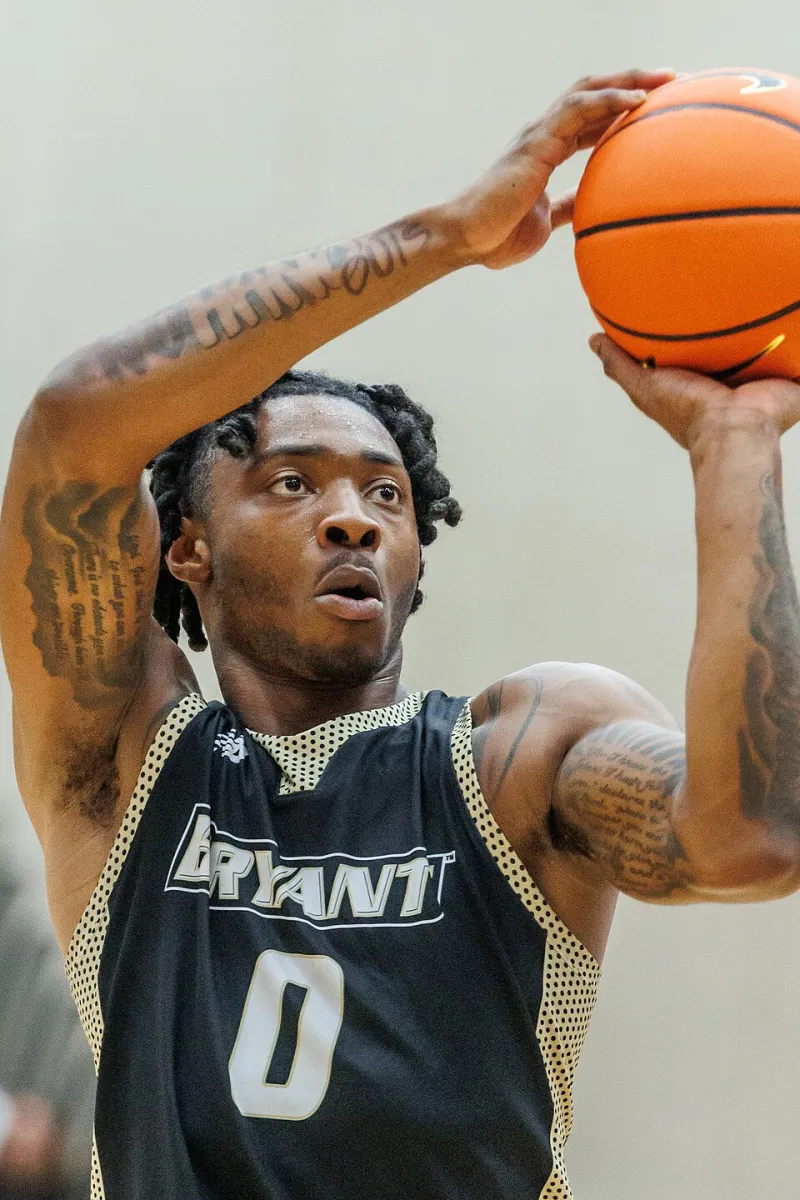
Photo by Photo by jato young on Unsplash on Unsplash
Let's get one thing straight before we go any further: college athletes deserve to be compensated. Full stop. The old system — where universities and broadcasters made billions while players couldn't even sell their own autograph — was broken and frankly embarrassing. NIL rights were overdue.
But somewhere between "athletes finally getting paid" and where we are right now, something went sideways. Because what we're watching in college basketball today isn't just a marketplace. It's a distraction machine. And the players getting chewed up in it are the ones who can least afford to lose focus.
The NIL Gold Rush and Who It's Actually Helping
When NIL rules officially opened up in 2021, the narrative was simple and appealing: young athletes, many of them from under-resourced backgrounds, could finally build financial security while still in school. That's a genuinely good thing. Nobody serious is arguing otherwise.
But fast forward to today, and the reality is more complicated. The NIL ecosystem in college basketball has become less about fair compensation and more about brand positioning — and for a lot of players, the brand is getting more attention than the game.
Top recruits are arriving on campus with agents, content teams, and six-figure deals already in place. Their social media presence is managed. Their personal brand has a logo. And their practice time is competing with podcast appearances, merchandise drops, and sponsored content shoots that need to happen before the algorithm moves on.
Again — none of that is inherently wrong. The problem is the sequencing. You can't build a sustainable brand on athletic ability you haven't fully developed yet.
The Performance Gap Nobody Wants to Talk About
Here's where it gets uncomfortable. There's a growing pattern in college hoops — and NBA front offices are absolutely noticing — where highly marketed, heavily compensated college players are arriving in the draft with inflated reputations and underwhelming fundamentals.
Think about the players who dominated social media during their freshman or sophomore seasons. The highlight mixtapes were incredible. The follower counts were massive. The brand partnerships were legitimate. And then when it came time to actually play against NBA-level competition, the gaps in their games were glaring.
Defensive footwork that never got refined because summer workouts got replaced with content creation trips. Post moves that were never developed because the perimeter game was flashier and got more engagement. A decision-making process that still runs at college speed because the player never had to slow down and grind through the hard developmental reps that don't make for good content.
Nobody's posting a video of themselves doing defensive slide drills at 7 a.m. That doesn't get clicks. But that's the stuff that separates guys who last ten years in the NBA from guys who wash out after two.
The Attention Economy Is Working Against Player Development
This is the piece that doesn't get discussed enough. NIL money isn't just a financial transaction — it comes with an entire ecosystem of obligations, expectations, and incentives that pull an athlete's attention in directions that have nothing to do with getting better at basketball.
Brand partners want content. Content requires time and mental energy. Social media requires constant engagement to stay relevant. Agents and marketing teams are pushing players to maximize their earning window right now, because the NIL market rewards visibility, and visibility is highest when you're still in college and the spotlight is brightest.
What that means in practice is that some of the most talented young players in the country are operating at a level of cognitive load that would exhaust anyone — and they're doing it during the exact years when they should be doing one thing: obsessively developing their craft.
Michael Jordan worked on his game in the summers. Kobe Bryant famously arrived at the gym before anyone else got there. LeBron has invested millions of his own money into his body and his preparation. None of that makes for great sponsored content. All of it made them generational players.
What Real Long-Term Wealth Actually Looks Like
Here's the brutal math that nobody's telling these kids clearly enough: the average NIL deal for a college basketball player, even a well-known one, pays out a fraction of what a legitimate NBA career generates over time. A solid NBA player making the league minimum across a five-year career earns more than most college athletes will see from NIL across their entire collegiate tenure.
The path to real, lasting financial security in basketball runs directly through performance. Through development. Through being so undeniably good that teams have no choice but to pay you.
NIL money is a bonus. It should feel like a bonus. When it starts feeling like the main event — when the brand deal becomes the goal and basketball becomes the vehicle to maintain the brand — the whole thing inverts in a way that hurts the athlete most.
The players who are going to look back at this era with satisfaction are the ones who treated NIL as a supplement, not a strategy. They took the deals that made sense, kept the obligations manageable, and spent the majority of their time and energy getting better at the thing that actually determines their professional ceiling.
The Responsibility Doesn't Fall on Players Alone
It would be easy to just point fingers at the athletes here, and that's not really fair. Eighteen and nineteen-year-olds are going to respond to incentives. If the incentive structure tells them that their social following matters as much as their on-court game, some of them are going to act accordingly.
The responsibility sits with coaches who need to set cultural standards around focus and preparation. It sits with programs that are so eager to land top recruits that they're building NIL packages without thinking about what it does to a player's development arc. It sits with agents and advisors who should be having honest conversations about long-term vs. short-term value.
And yes, it sits with the platforms and brands who are happy to monetize a 19-year-old's moment of fame without much concern for what comes next.
NIL isn't going away. It shouldn't. But college basketball needs to figure out how to integrate it in a way that doesn't quietly cannibalize the development of the very players it's supposed to be helping.
Because right now, too many kids are getting rich on paper and poor on reps. And when draft night comes, the league doesn't care how many followers you have.