Almost Doesn't Count Anywhere Else: How College Basketball Got Addicted to the Moral Victory
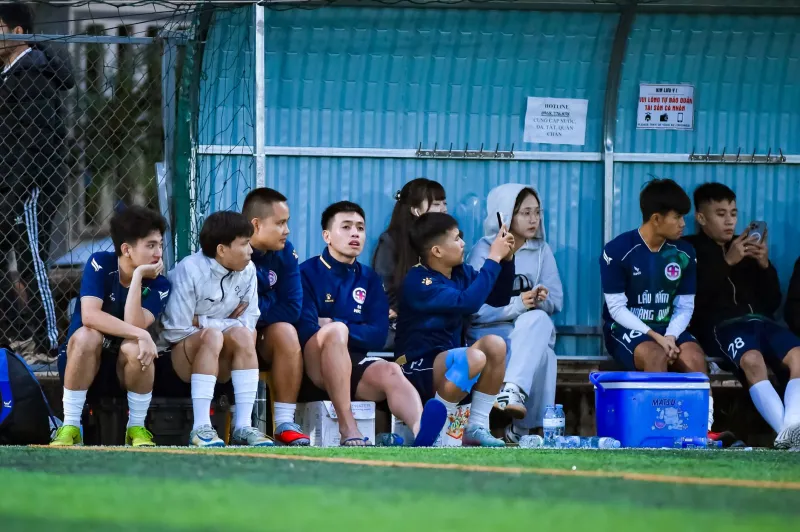
The final buzzer sounds. Your team just lost by four to a ranked opponent on the road. The coach jogs to midcourt, shakes hands, and walks back toward his bench with what can only be described as quiet satisfaction. By the time he reaches the locker room, he's already framing the speech. "We competed tonight. We showed who we are. This is the kind of game that builds a program."
The players nod. The fans post about "growth." The local beat writer files a piece about "encouraging signs." And four points worth of progress gets treated like a moral referendum on the program's direction.
Welcome to the moral victory economy. Population: too many college basketball programs to count.
How We Got Here
The normalization of the acceptable loss didn't happen overnight. It crept in gradually, driven by a few converging forces that each made sense individually but combined into something genuinely corrosive.
First, the rebuilding narrative. When a program hires a new coach after years of dysfunction, there's a genuine grace period where close losses to good teams do signal improvement. The issue is that grace periods have expiration dates, and a lot of programs and fan bases forgot to check theirs. The rebuilding story is so emotionally satisfying — the underdog narrative, the young guys buying in, the coach outworking everyone — that there's a real temptation to keep telling it even when the rebuild should be over.
Second, the explosion of sports media — particularly podcasts, social media, and team-controlled content — created an enormous appetite for optimistic framing. Nobody clicks on "We Lost Again and the Ceiling Might Be Lower Than We Thought." Everybody clicks on "Breaking Down the Five Reasons Last Night's Effort Has This Program Trending Up." The incentive structure of modern sports media actively rewards the moral victory interpretation.
Third, and maybe most importantly: analytics gave everyone a new vocabulary for almost-winning. Efficiency margins. Adjusted tempo stats. "We outplayed them in second-chance points and shot 38% from three, which is five points above our season average." All of that can be true and also completely irrelevant to the fact that the scoreboard said you lost.
What It Does to a Locker Room
Here's where the moral victory culture gets genuinely dangerous, and it's something that rarely gets discussed honestly: players are not stupid. They know when they won and when they lost. They know the difference between a program that's building toward something real and one that's learned to dress up stagnation in development language.
When a coach consistently frames losses as progress, a few things happen in that locker room. The players who are hungry for actual wins — the ones you most want to keep — start questioning whether this program is ever going to get there. The players who are comfortable with moral victories self-select into the program and stick around. And slowly, without anyone explicitly choosing it, the competitive standard shifts.
Losing close becomes okay. Playing hard in a loss becomes enough. The internal alarm that should go off when a team loses four games in a row gets quieter because the coach keeps turning down the volume with postgame speeches about character and growth.
By the time that program faces a must-win situation — an NCAA Tournament bubble game, a conference tournament opener against a team they should beat — the urgency muscle has atrophied from disuse. They've been practicing the wrong thing for two years.
The Media's Role in Keeping the Lie Alive
It would be unfair to put all of this on coaches. The sports media ecosystem around college basketball has become genuinely complicit in the moral victory industrial complex, particularly at the mid-major level where coverage is thin and the people covering a program are often the same people rooting for it.
Regional sports shows, team-adjacent podcasts, and beat writers who need daily access to coaches all have structural reasons to validate the positive spin. Push back too hard on the "progress" narrative and you're the cynical outsider who doesn't understand the program. Play along and you get the exclusive access, the coach's trust, and the content that keeps your audience engaged.
The result is that programs can go three or four years into a rebuild — with a NET ranking that tells a pretty clear story — and still have a local media environment that's treating every competitive loss as evidence that the corner is about to be turned. Fans who primarily consume that local coverage have no idea how far off the actual corner is.
When Does Progress Actually Look Like Progress?
This isn't an argument that losing close games to good teams is always meaningless. It isn't. There are genuine situations where a program's trajectory is positive even when the win column doesn't fully reflect it yet. The freshman who's clearly a future star. The defensive system that's clicking in January the way it needs to for March. Real signs exist.
The difference between legitimate progress and moral victory theater is specificity and honesty. A coach who can tell you exactly what needs to improve, what the timeline looks like, and what the concrete benchmark for success is — that coach is building something. A coach who responds to every loss with a variation of "I love the fight in this group" and can't tell you what a successful season actually looks like in wins and losses? That's a different conversation.
Fan bases and athletic departments owe it to themselves to ask the hard version of the question. Not "did we compete tonight?" but "are we actually getting better in ways that are going to show up in March?" The answer to the first question is almost always yes. The answer to the second one is a lot more complicated, and a lot more important.
Almost Is Not a Strategy
In the NCAA Tournament, nobody hands out bids for competitive effort. The bubble doesn't care about your efficiency margin in losses. The Selection Committee is looking at results, and the results are either there or they're not.
The programs that win consistently — the ones that actually show up in the second weekend, the ones that recruit the players everyone wants — don't celebrate moral victories. They study them, fix what broke, and move on. There's no speech about character. There's a film session and a practice plan.
Somewhere between the postgame press conference and the film room, college basketball lost that thread. Getting it back means being honest about what almost really means. And almost, in every sport that matters, means you lost.